
- News
- City News
- mumbai News
- ‘In constant state of imbalance, city a fertile riverbed of stories’
Trending
This story is from February 24, 2017
‘In constant state of imbalance, city a fertile riverbed of stories’
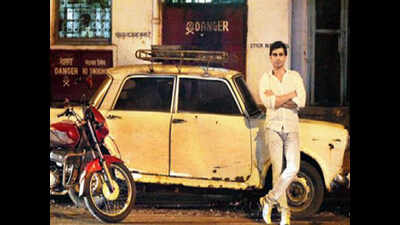
Anosh Irani at Kamathipura, the setting of his novel
Among Canada’s most promising writers, Irani, 42, who lives in Vancouver, was in Mumbai recently for the launch of his novel, The Parcel (HarperCollins), which tells the story of Madhu, a transgender sex worker entrusted with ‘the parcel’, a minor trafficked from Nepal into Mumbai to a life of sex slavery.

Irani explains it was during his visits to Mumbai over the last decade that he began noticing the shift in physicality. “Like other areas, Kamathipura was witnessing redevelopment and many brothels were disappearing. That was my point of entry for the story. My protagonist was a 40-year-old transgender sex worker grappling with the fear of age taking over her body, as the physical environment she lives in is also being demolished,” Irani says.
The book takes you on a walk with Madhu and places you at her many crossroads. It splits open the life of a community doubly marginalized as ‘hijras’ in the sex trade—a truth Irani was made to realize in course of interactions with pimps, sex workers and NGO volunteers in the area.
His first, ‘The Cripple and His Talismans,’ used magic realism to tell the story of an amputee who combs the city in search of his limbs. ‘The Song of Kahunsha’ described the life of an abandoned child in the city exploring the urban wilderness in search of his father. ‘Dahanu Road’, shortlisted for the Man Asian Literary Prize, narrated the turbulent love story of a Warli woman and the son of an Irani chikoo farm owner in Dahanu, located on Mumbai’s outskirts and historically known for its chikoo plantations.
A teacher of creative writing for the stage at Simon Frazer University in British Columbia, he has also won the Dora award by the Toronto Alliance for the Performing Arts for his play, ‘Bombay Black’.
Explaining his penchant for using the same canvas, Irani describes the city as a fertile riverbed of stories. “Mumbai is in a constant state of imbalance from which emerge characters whose motivations need to be explained,” he says. Mumbai is also in many ways what the writer describes Madhu as: “Reviled and revered, deemed to have been blessed and cursed, with sacred powers”.
End of Article
FOLLOW US ON SOCIAL MEDIA









Photostories

Hot Picks
TOP TRENDING
Popular Categories
Hot on the Web
Top Trends
AUS vs SA Live ScoreRohit SharmaLiam PayneUGC Net June ResultSL vs WI Live ScoreIND vs NZ HighlightsUGC NET ResultInfosys Q2 ResultHaryana Cabinet Ministers ListJustin TrudeauFlights Bomb ThreatJharkhand Election ScheduleMaharashtra Election 2024US Presidential Election 2024Maharashtra Election ScheduleJharkhand Election ScheduleLive Cricket Score
Trending Topics
Diwali WishesDhanteras 2024Fake PaneerLiam PayneVettaiyan CollectionVicky Vidya Ka Woh Wala Video CollectionLawrence BishnoiJigra OTT ReleaseCow GheeBigg Boss 18Salman KhanShraddha KapoorRenukaswamys WifeSharad Purnima Moonrise TimeSwatantrya Veer SavarkarSharad Purnima 2024Top Load Washing MachinesBest Premium LaptopsIntel LayoffsWordle Answer
Living and entertainment
Latest News
Fox on the Run: 3 times Kamala Harris stumbled during interviewDrake's pigtails spark an online debate; netizens are divided over bold fashion move and midlife crisis"For me, it was to build my family": Cameron Diaz on why she took break from actingInjury scare for Team India as Rishabh Pant hobbles off the fieldVijay’s TVK to conduct seminar, training session near Salem on FridayIs Kamala Harris stuck in an interview doom loop?D’LIFE launches its 26th showroom in Hinjawadi, PuneGemini, Daily Horoscope Today, October 18, 2024: Prioritize mental well-beingHow this 46-year-old Indian-origin founder made 400 of his employees millionaires'We are all on the same team now': Senate minority leader Mitch McConnell defends past remarks on Donald TrumpCATS YouTube codes for October 17, 2024: Enhance your gameplay and know how to redeem the codes"I don't even sleep in my bedroom": Selena Gomez opens up about mental health strugglesCitizenship under Assam accord: 4:1 SC verdict upholds validity of Section 6A; dissenting judge says provision 'has become more prone to abuse'Bengaluru trekker helped CEC spend night at uninhabited houseStudent kills self in Kota, 15th this yr'Love Rohit Sharma's honesty': Sanjay Manjrekar calls India captain 'top man''Secret service needs reform': Independent probe panel on Trump's assassinationBreast cancer fighter Hina Khan shares a video of people who have inspired her during her journey; watch
Copyright © 2024 Bennett, Coleman & Co. Ltd. All rights reserved. For reprint rights: Times Syndication Service